March 31, 2026 · 2 min read
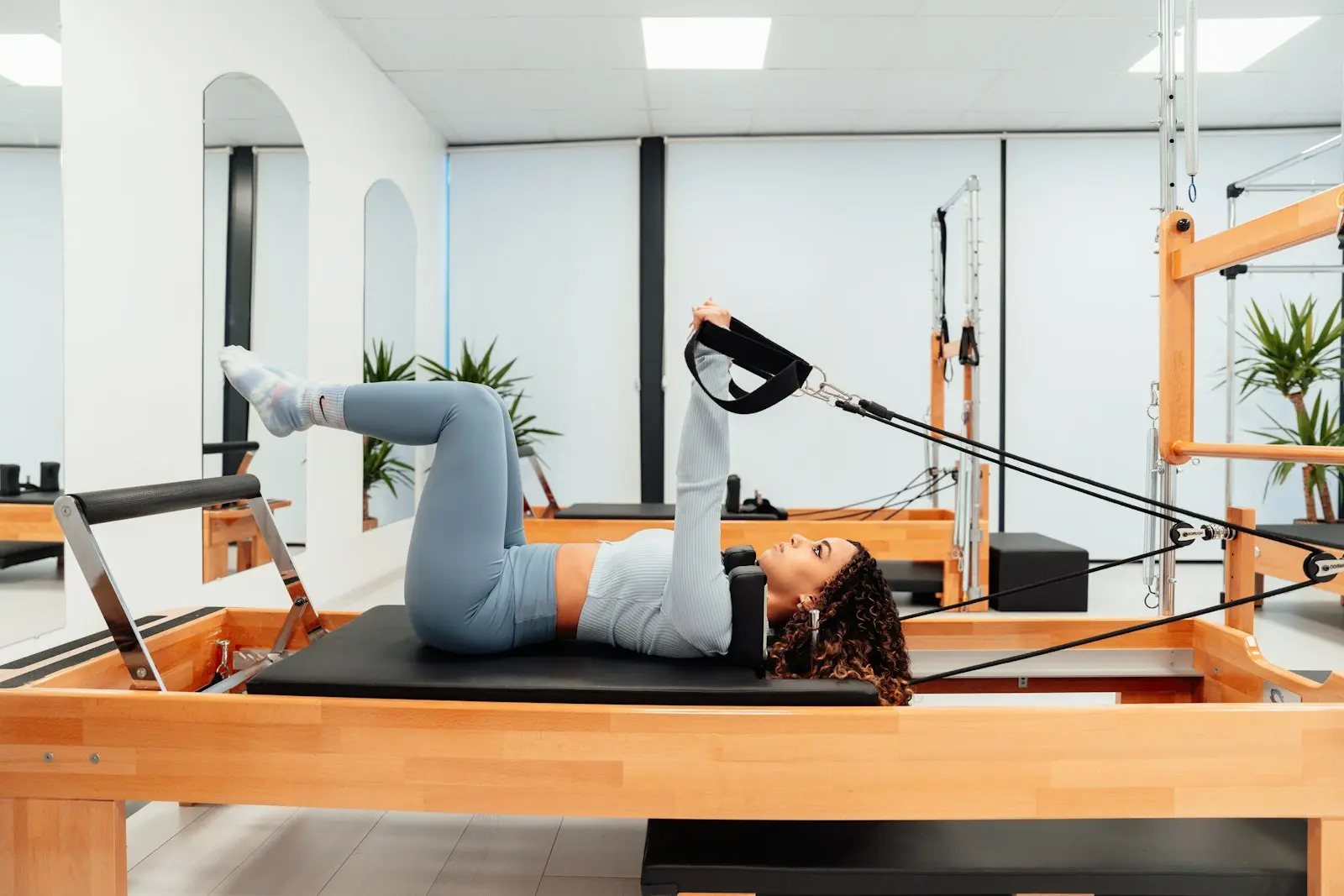
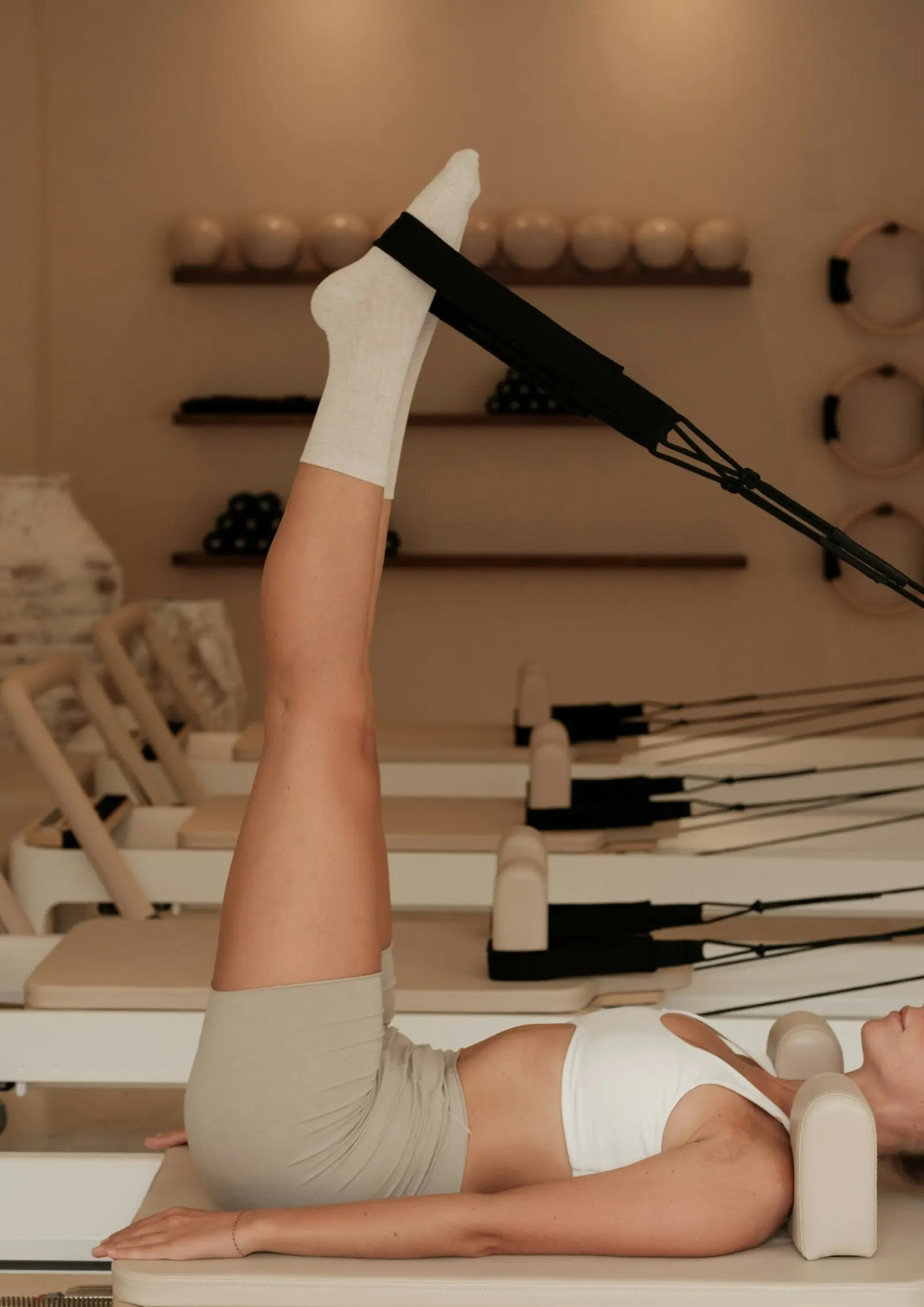
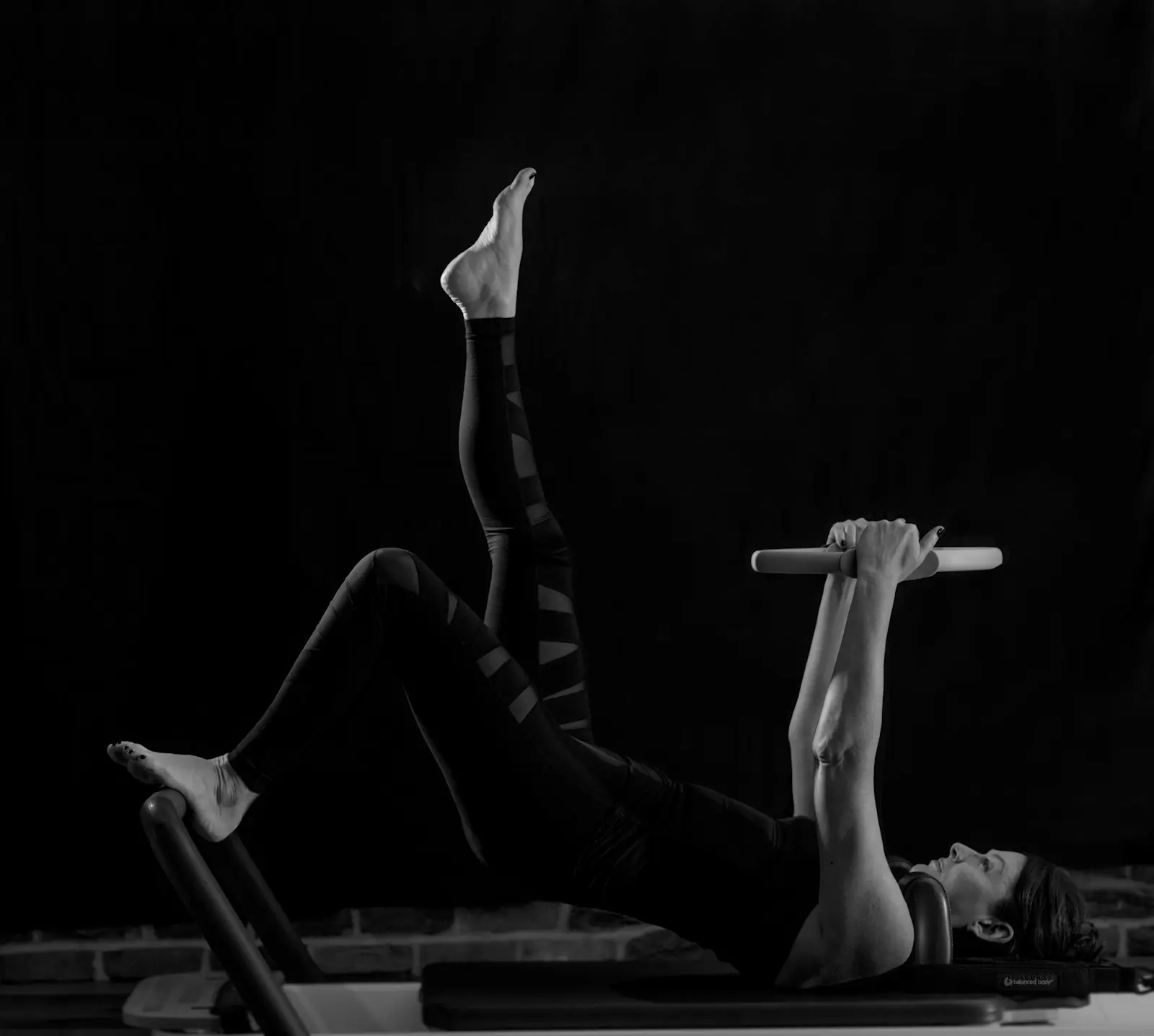
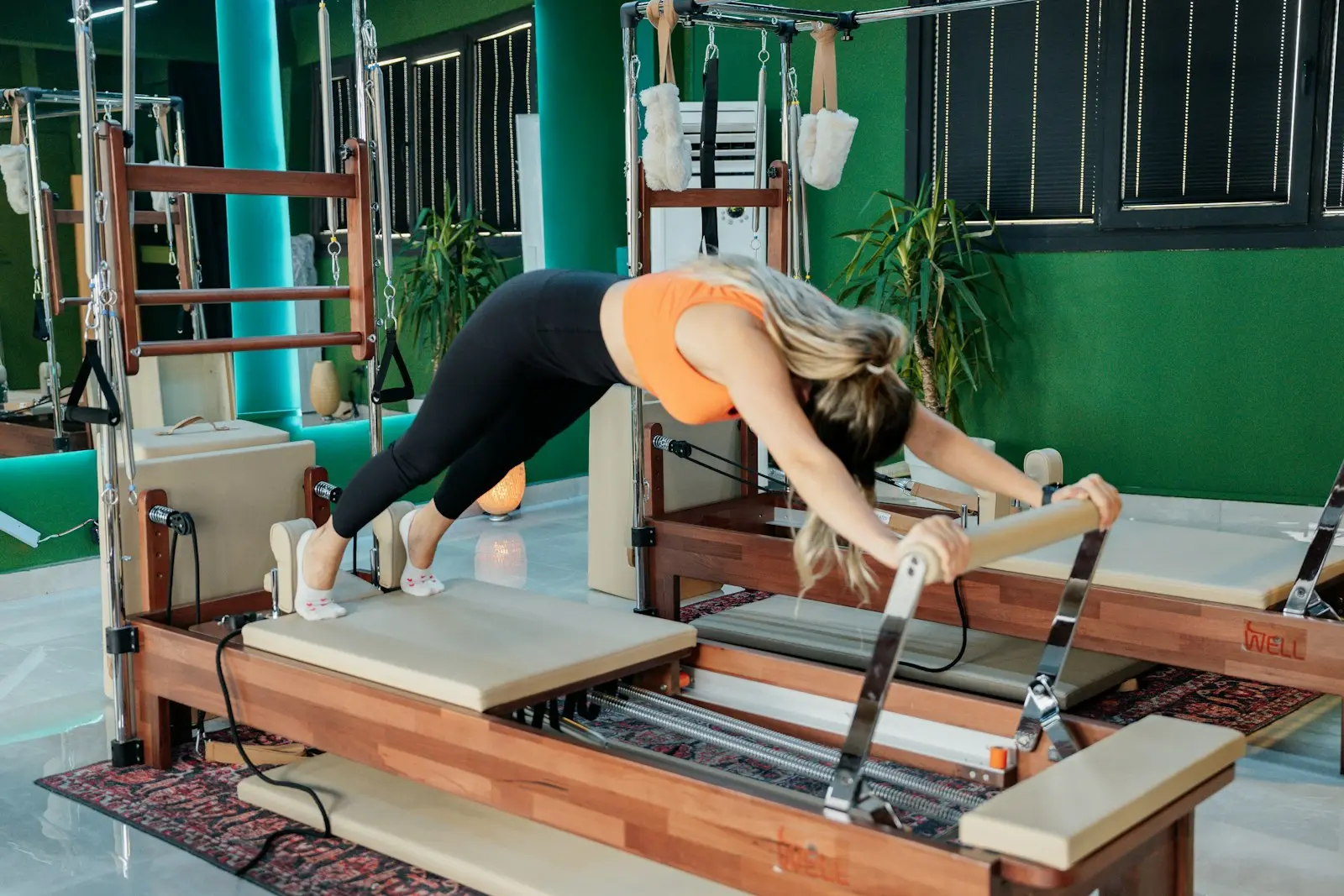
Reformer Pilates doesn’t need to replace your other activities: it complements them beautifully. Whether you love lifting weights, running or cycling, adding it to your week can improve your performance, prevent injuries and speed up your results. Here’s how to build a balanced routine.
Why combine Pilates with other training?
Each type of training has its strengths. Weight training builds strength and muscle mass. Cardio improves endurance and heart health. Reformer Pilates strengthens the core, improves mobility, corrects imbalances and sharpens body awareness. Together, they form a complete and sustainable program.
Pilates and weight training: a winning duo
Many people who lift weights lack mobility, especially in the hips, shoulders and upper back. Reformer Pilates improves this mobility and strengthens the stabilizers, making it possible to perform fundamental lifts like squats and deadlifts with better technique. A stronger core also improves force transfer and protects the back under load.
Pilates and cardio: more efficiency, fewer injuries
For runners and cyclists, Pilates stabilizes the pelvis, strengthens the glutes and frees the hips. The result: a more efficient stride or pedal stroke and a lower risk of overuse injuries. We dedicated a full article to the benefits of Pilates for athletes.
Examples of balanced weeks
If you train three times a week:
- one strength session;
- one cardio session;
- one Reformer Pilates session.
If you train five times a week:
- two strength sessions;
- one or two cardio sessions;
- two Reformer Pilates sessions, ideally on lighter days.
In what order?
If you do two activities on the same day, put your priority first, when you’re freshest. Pilates can also serve as an active recovery session after an intense strength day or a long run: it moves the body gently while strengthening the deep muscles.
Respect recovery
More training isn’t always better. The body progresses during recovery. Plan at least one full rest day a week, get enough sleep and adjust intensity according to your fatigue. Since Pilates is low-impact, it fits in easily without overloading the joints.
What about nutrition?
The more you train, the more quality fuel your body needs. Eat enough protein to support muscle recovery, stay hydrated throughout the day and don’t neglect carbohydrates before more demanding sessions. If in doubt, a nutritionist can help you adjust your diet to your activity level.
Mistakes to avoid
- Dropping Pilates during busy weeks: that’s often when it’s most useful.
- Doing everything at high intensity: alternate demanding days and gentler days.
- Forgetting mobility: a strong but stiff body gets injured more easily.
- Skipping the warm-up before strength training or running.
Choosing the right plan
If you add one or two Reformer Pilates sessions a week to your training, an Essential or Signature membership is often the most advantageous choice. Compare all the options on the Pricing page.
Your turn
The best program is the one you enjoy and can maintain. Try adding a Reformer Pilates session to your week for a month, and notice the difference in your other workouts. Book your class at the studio in Laval and discover how much easier Pilates can make everything else.
Ready to try?
Experience Reformer Pilates in Laval
Book your class at the BLVD Pilates studio in Chomedey and feel the difference from the very first session.