August 18, 2026 · 3 min read
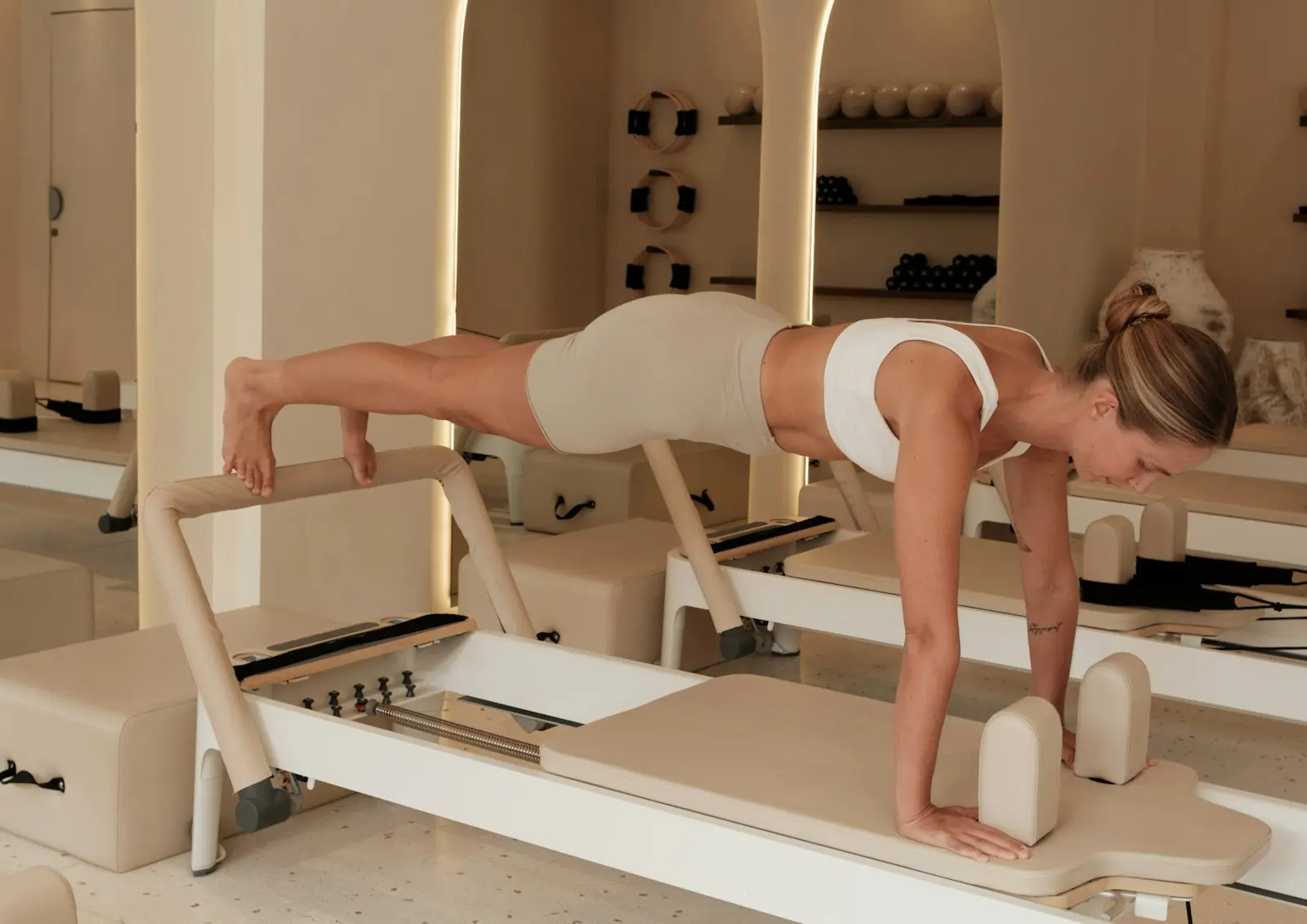
Back pain is one of the most common reasons women discover Reformer Pilates. Hours spent sitting, stress, lack of movement, pregnancy or sports: the causes are many. Reformer Pilates can be a valuable ally for a stronger, more comfortable back, as long as it is practiced intelligently.
First of all: a healthcare professional’s advice
Before starting Pilates with back pain, consult your doctor, physiotherapist or osteopath. They can identify the cause of the pain and tell you which movements to avoid. Reformer Pilates complements that care; it never replaces it. Once you have their approval, always tell your instructor about your condition before class.
How Reformer Pilates helps the back
Reformer Pilates primarily works the deep muscles that stabilize the spine: the transverse abdominis, the multifidus, the pelvic floor and the diaphragm. When these muscles are strong and well coordinated, they support the spine like a natural corset. Much lower-back pain is linked to a lack of stability or muscular imbalances, which Pilates specifically helps to correct.
The Reformer also has a unique advantage: the springs can assist the movement. An exercise that is too hard on the mat becomes accessible and safe on the machine, which makes it possible to strengthen the back without overloading it.
Benefits our clients notice
- Better awareness of posture, at work and at home.
- Stronger core muscles that take load off the lower back.
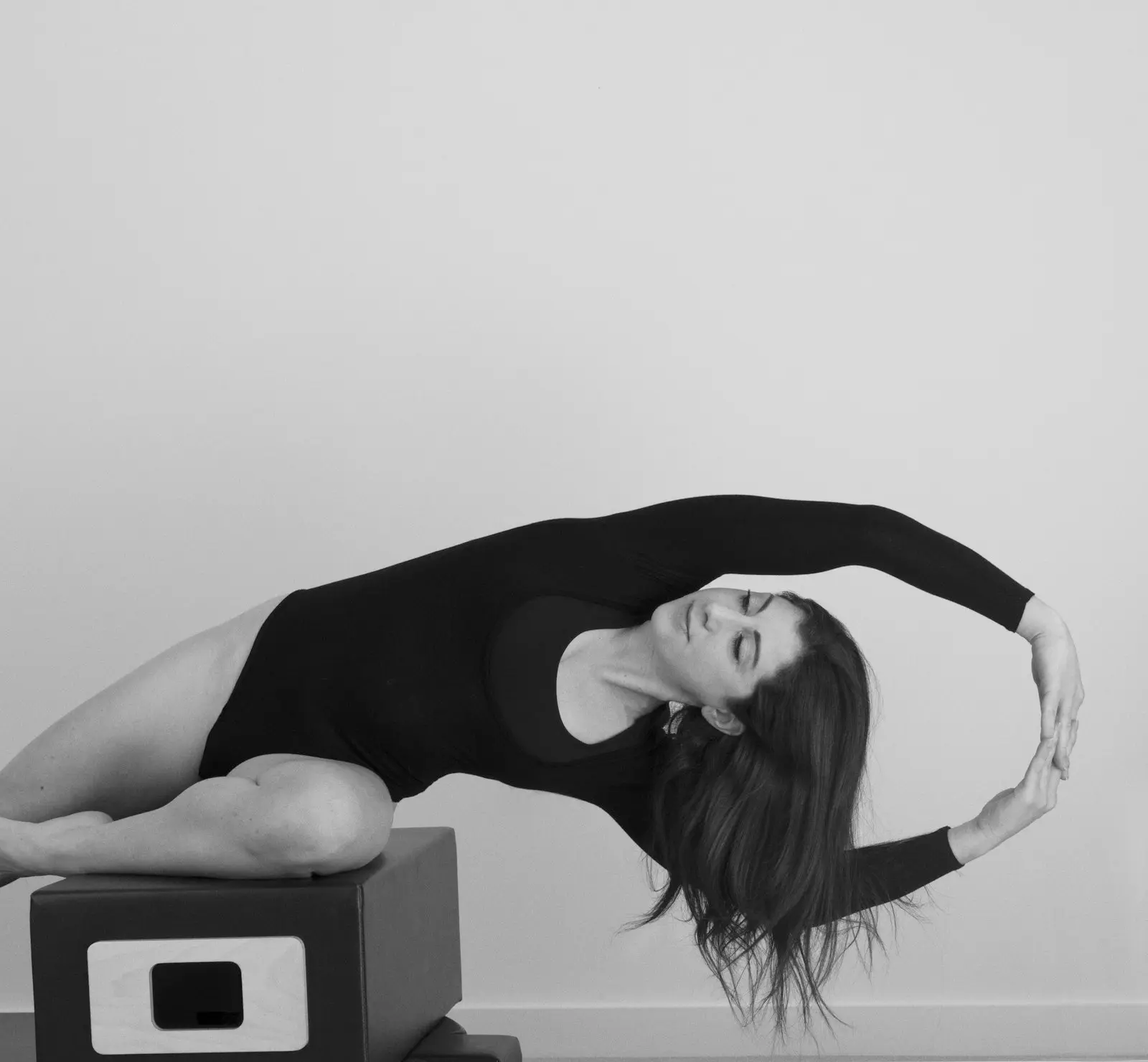
- More mobility in the spine, hips and shoulders.
- Less stiffness in the morning and after a long day of sitting.
- Deeper breathing that helps release tension.
Breathing, an underrated ally
In Pilates, breathing accompanies every movement. It activates the deep muscles and helps the body relax. Learning to breathe correctly can by itself reduce some back and neck tension. We explain the basics in our article on breathing in Pilates.
Private class or group class?
If you have significant or recurring pain, we recommend starting with a few private Reformer Pilates classes. One-on-one, your instructor can assess your needs, choose the most suitable exercises and correct every detail. Once you have the basics and your confidence back, you can join our small-group classes with peace of mind.
Precautions to follow
Always listen to your body. A feeling of muscular effort is normal, but sharp pain, numbness or pain radiating down the leg are signals to stop. Avoid forcing extreme bending or twisting, and favour the quality of movement over range. Consistency, with two sessions a week for example, gives better results than intense, infrequent sessions.
And between sessions?
Your back loves movement. Between your Reformer Pilates classes, walk regularly, change position often at work and add a few gentle spinal mobility exercises in the morning. Your instructor can suggest two or three simple exercises to do at home, to extend the benefits of the studio into your daily life.
Gradual results
Strengthening the back builds over several weeks. The first sessions often bring a feeling of lightness and relaxation; deeper changes, such as better stability and less stiffness, come with consistency. Be patient and kind to your body.
Questions?
Our FAQ covers several specific situations, including injuries and pregnancy. At BLVD Pilates in Laval, our certified instructors are trained to adapt every session so you can move with confidence and rediscover the pleasure of a strong, free back.
Ready to try?
Experience Reformer Pilates in Laval
Book your class at the BLVD Pilates studio in Chomedey and feel the difference from the very first session.