March 17, 2026 · 2 min read
Pilates was born from a desire to help the body strengthen and recover. A century later, Reformer Pilates is widely used to prevent injuries and support a return to movement. Here’s how it works, and how to use it safely.
Why do we get injured?
Many injuries don’t come from a single wrong move, but from a combination of accumulated factors: muscular imbalances, lack of stability, reduced mobility, poor technique or overuse. A muscle that’s too weak forces another to compensate, a stiff joint overloads its neighbour, and over time, pain appears.
How Reformer Pilates helps prevent injuries
- It strengthens the stabilizers: the small deep muscles that protect the joints, often neglected in other training.
- It corrects imbalances: working one side at a time reveals and reduces asymmetries between right and left.
- It improves mobility: free joints distribute loads better.
- It develops control: a body that can move precisely reacts better to the unexpected.
- It sharpens body awareness: you learn to recognize compensations before they cause pain.
The Reformer, a tool suited to recovery
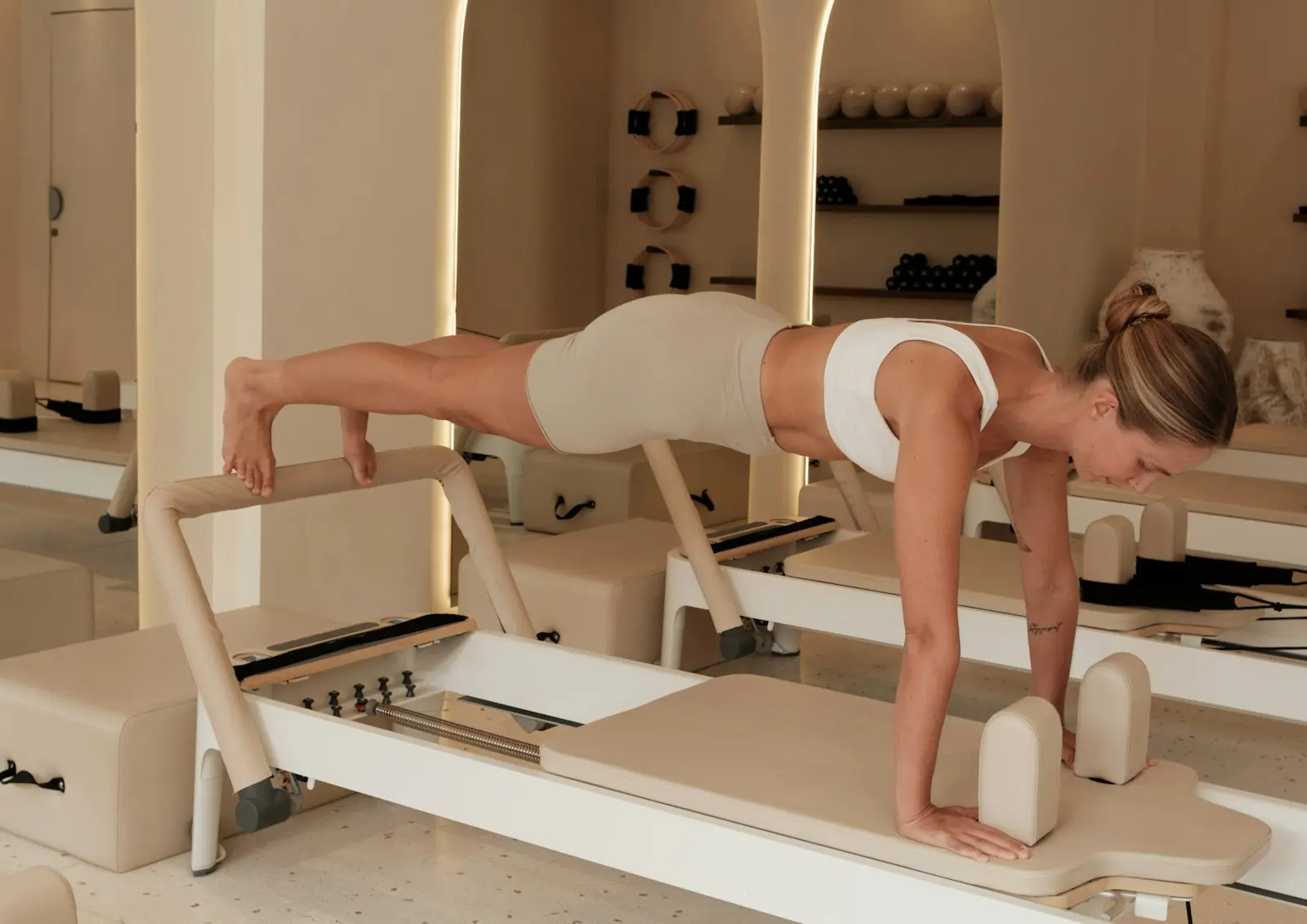
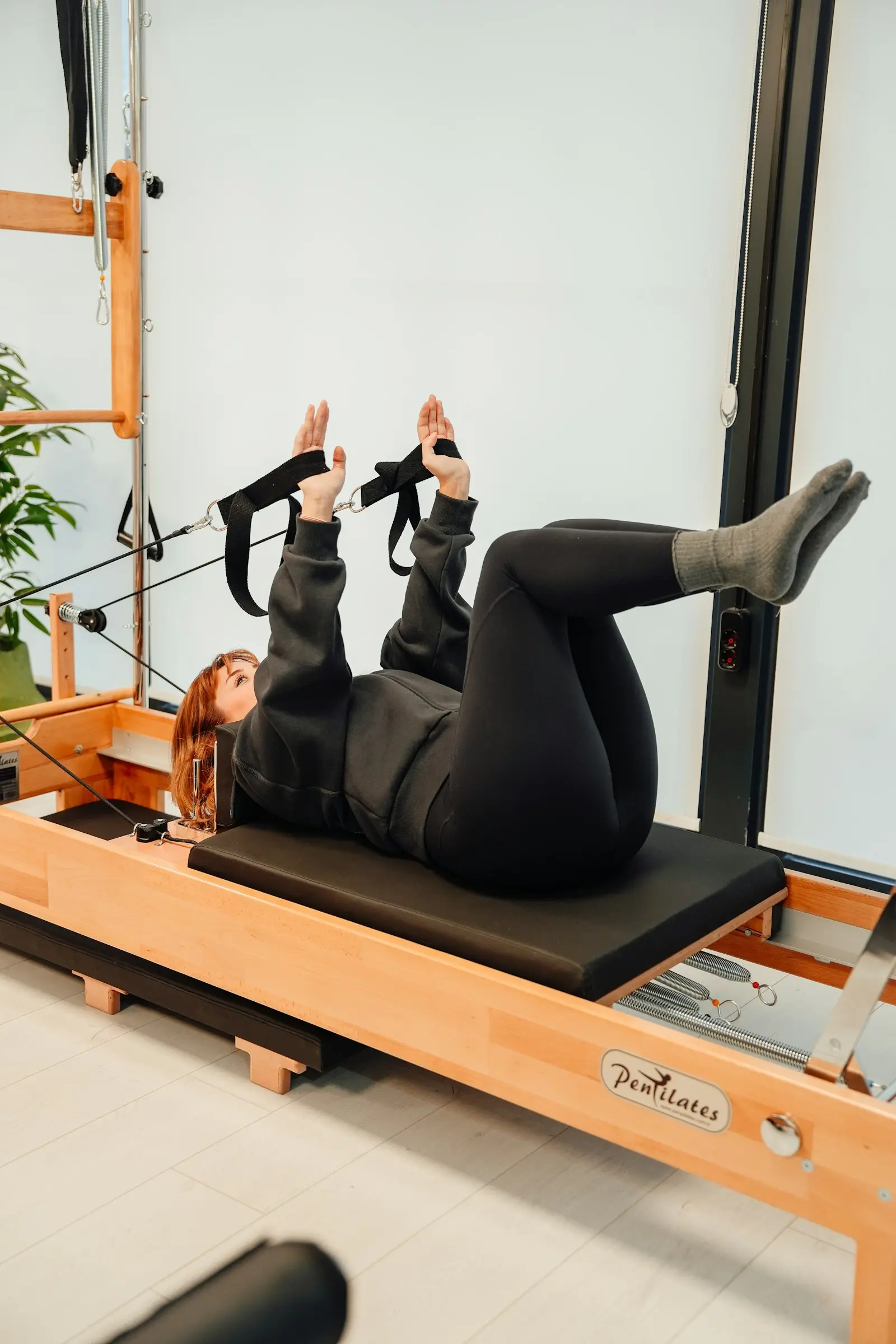
One of the Reformer’s great strengths is the ability to assist movement with the springs. An exercise that’s impossible on the mat becomes accessible, low-impact and supported. That’s why Reformer Pilates is often part of rehabilitation programs, for example after a knee, shoulder or back injury.
Always in collaboration with a professional
Reformer Pilates doesn’t replace a diagnosis or treatment. In case of injury, first consult your doctor, physiotherapist or osteopath. Once you have their approval, share their recommendations with your instructor. She will adapt the exercises to respect your limits and support your progress.
Private classes for a safe return
After an injury, we recommend starting with private Reformer Pilates classes. One-on-one, the instructor can choose suitable exercises, monitor every movement and adjust resistance precisely. Once your confidence is back, you can join small-group classes.
Back pain, a common case
Lower-back pain is one of the most common reasons to start Pilates. We dedicated a whole article to the topic: Reformer Pilates and back pain.
Everyday recovery
Pilates isn’t only useful after an injury. For active people, a Reformer Pilates session can serve as active recovery: it gets the blood flowing, releases tension and maintains mobility without tiring the body. It’s an excellent complement to intense training days.
Sleep, hydration and rest
Recovery doesn’t only happen at the studio. Enough sleep, good hydration and a balanced diet allow tissues to repair and muscles to strengthen. Also give yourself calmer days: rest is an integral part of injury prevention. Reformer Pilates fits perfectly into this overall approach.
Signals to respect
- Sharp or sudden pain: stop the exercise.
- Numbness or a radiating sensation: tell your instructor immediately.
- Pain that increases after the session: consult a professional.
Muscular effort is normal; pain is not.
Questions about your situation?
Every body and every injury is unique. Write to us through the Contact page to discuss your situation, and we’ll point you to the most suitable format. At the studio in Laval, our certified instructors are here to help you move with confidence.
Ready to try?
Experience Reformer Pilates in Laval
Book your class at the BLVD Pilates studio in Chomedey and feel the difference from the very first session.