May 26, 2026 · 2 min read
Pilates is now practiced by millions of people around the world, from Laval to Los Angeles. But where does this method come from, and why does it work so well? A look back at the story of Joseph Pilates, the birth of the Reformer and the six principles that still guide every Reformer Pilates class.
Who was Joseph Pilates?
Joseph Hubertus Pilates was born in Germany at the end of the nineteenth century. A sickly child, he became passionate about movement early on and studied many disciplines: gymnastics, boxing, yoga, martial arts. From these influences came a method he called “Contrology”, the art of controlling the body through the mind.
According to the story often told, it was during the First World War, while helping bedridden people move, that he had the idea of using springs to assist and resist movement. These experiments led to the first Pilates machines, including the Reformer.
From New York to the whole world
In the 1920s, Joseph Pilates settled in New York with his wife, Clara, and opened a studio. His method quickly attracted dancers and artists, who found in it a way to strengthen themselves and recover from injuries. His students, who became teachers in turn, then spread the method around the world, each adding their own nuances. That’s why today we speak of classical Pilates and contemporary Pilates.
The six principles of Pilates
Joseph Pilates didn’t codify these principles himself, but his students formulated them to sum up the spirit of his method. They remain at the heart of teaching.
- Concentration: the mind is fully present in every movement. Exercises are never done on autopilot.
- Control: every movement is deliberate and mastered, without momentum or jerky motion.
- Centering: everything starts from the centre of the body, the famous powerhouse.
- Precision: quality comes before quantity. One well-executed movement is worth more than ten approximate ones.
- Breath: it accompanies and supports every movement.
- Flow: movements connect with grace and continuity.
The Reformer, a stroke of genius
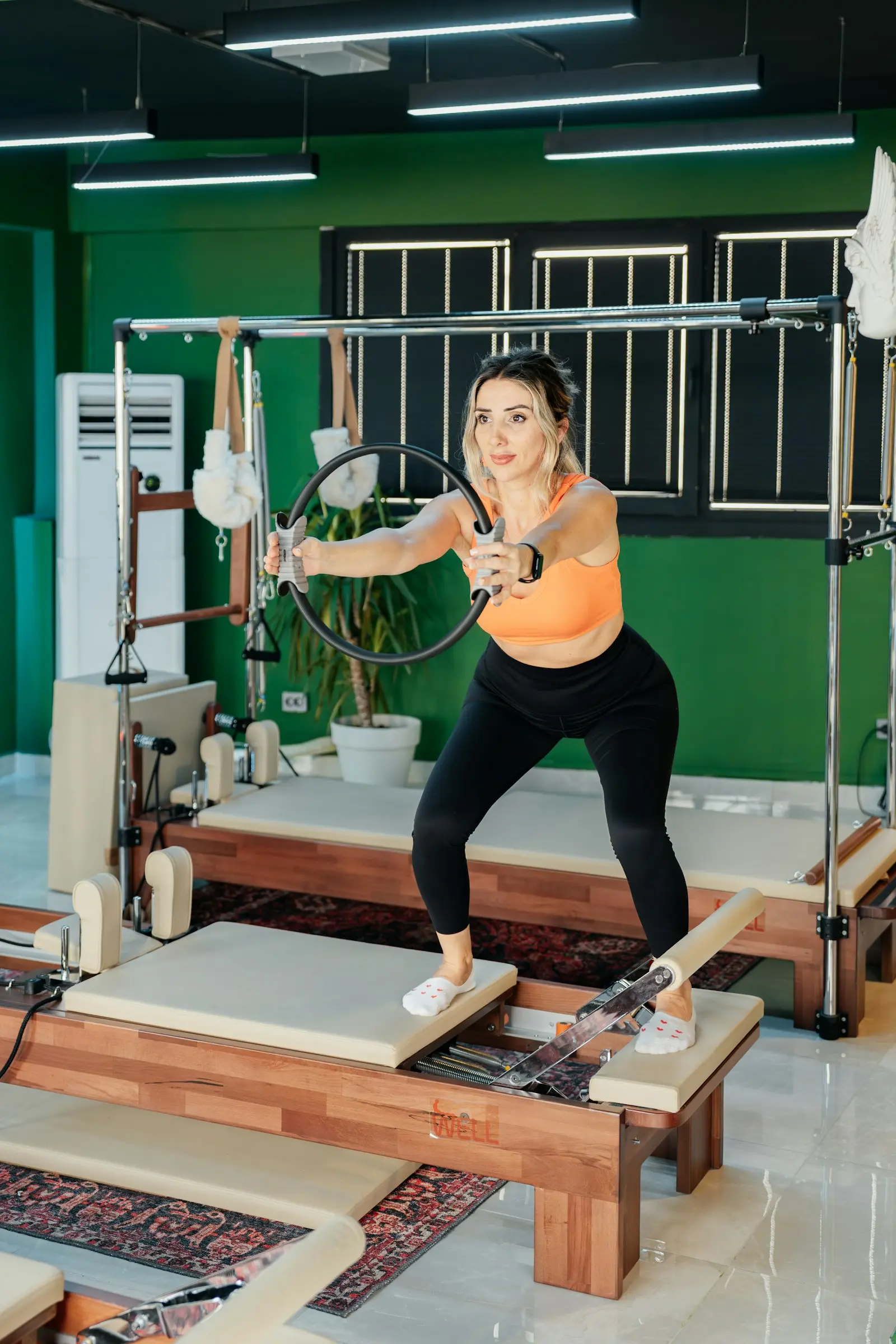
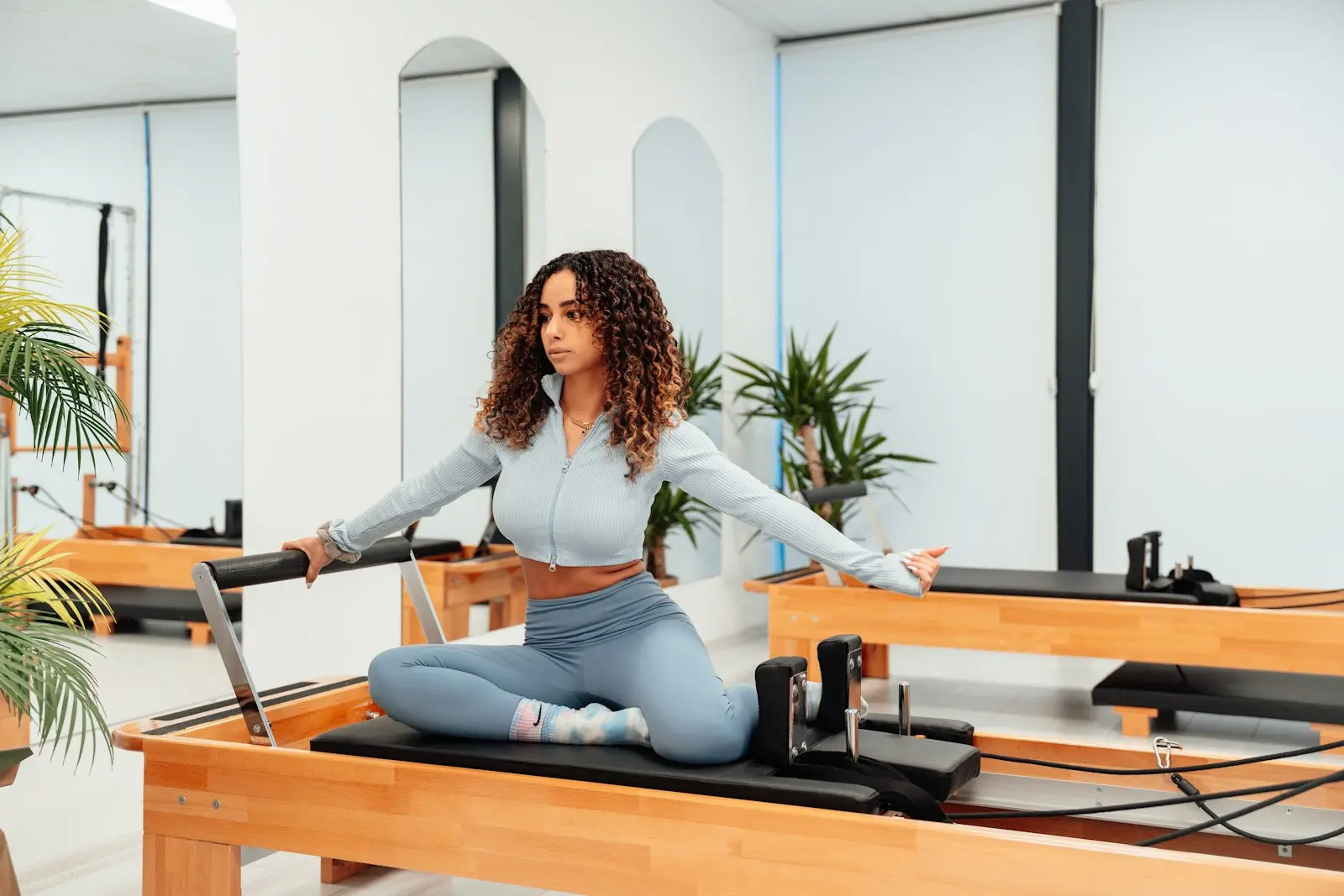
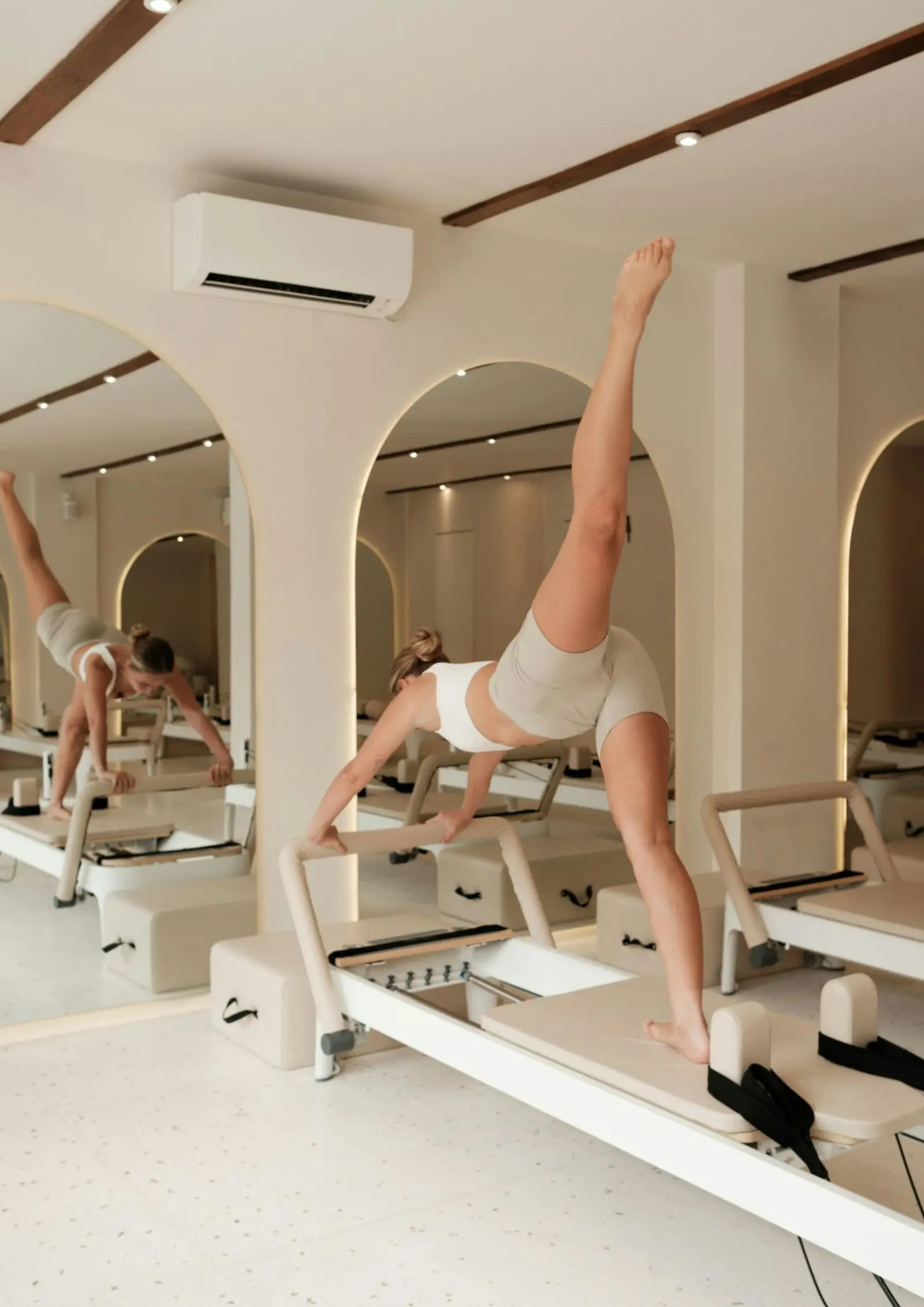
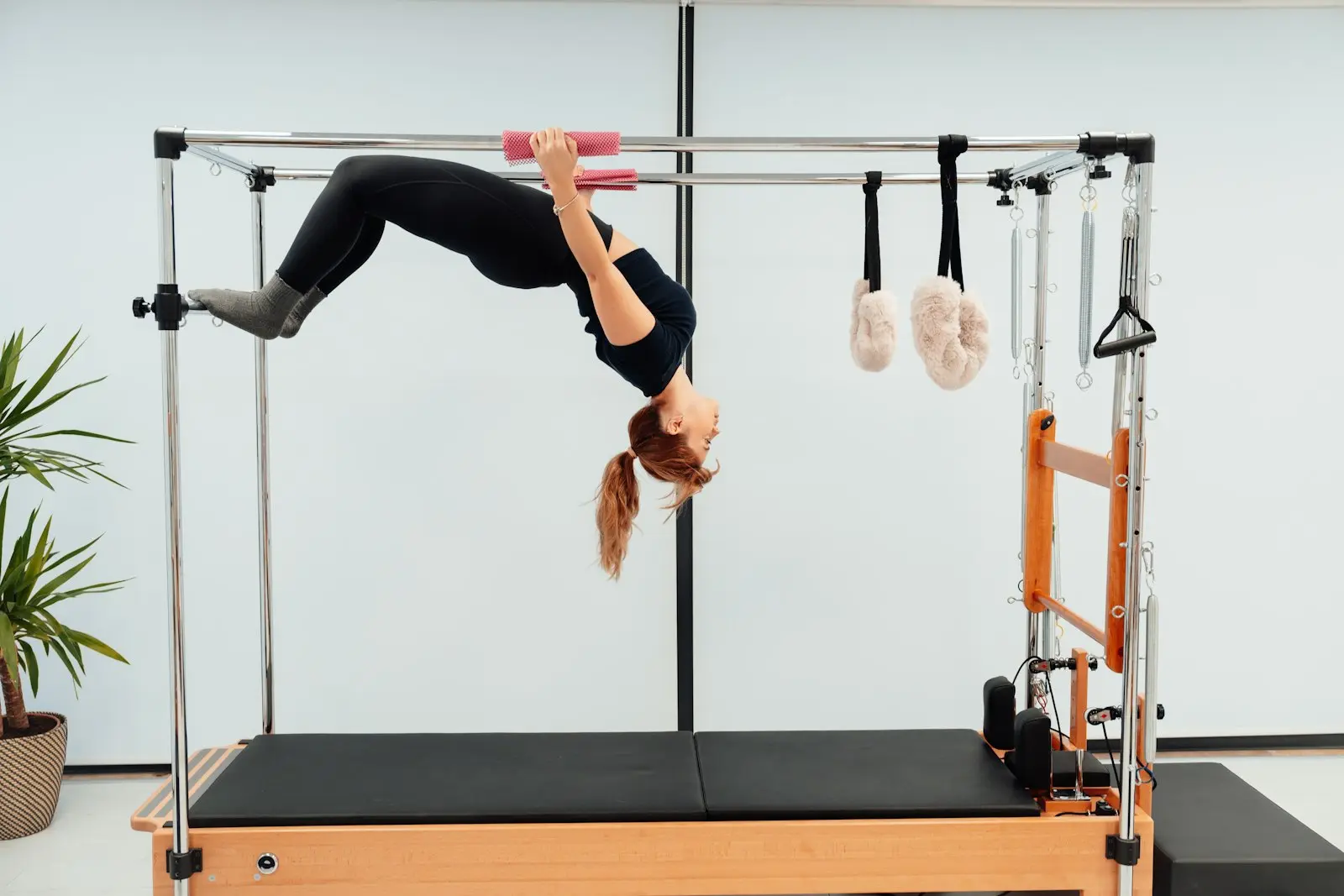
The Reformer perfectly illustrates Joseph Pilates’ philosophy. Thanks to its springs, it can both assist a weakened body and challenge a strong one. A century later, it remains the method’s flagship machine. To get to know it better, check our Reformer glossary.
A method that is still relevant
If Pilates has stood the test of time, it’s because its principles meet universal needs: a strong body without rigidity, better posture, a calmer mind. In the age of screens and sedentary lifestyles, Joseph Pilates’ method may be more relevant than ever.
Passing on the method
Today, becoming a Reformer Pilates instructor requires rigorous training to master technique, anatomy and the art of teaching. At BLVD Pilates, we offer a 200-hour Reformer Pilates certification, in the studio, in Laval. All the details are on the Training page.
Living the method today
Every class at the studio honours these principles: concentration, control, precision and breath, in an elegant and caring space. Discover our vision on the About page, and if you’re just starting, read our complete Reformer Pilates guide before your first class.
Ready to try?
Experience Reformer Pilates in Laval
Book your class at the BLVD Pilates studio in Chomedey and feel the difference from the very first session.